
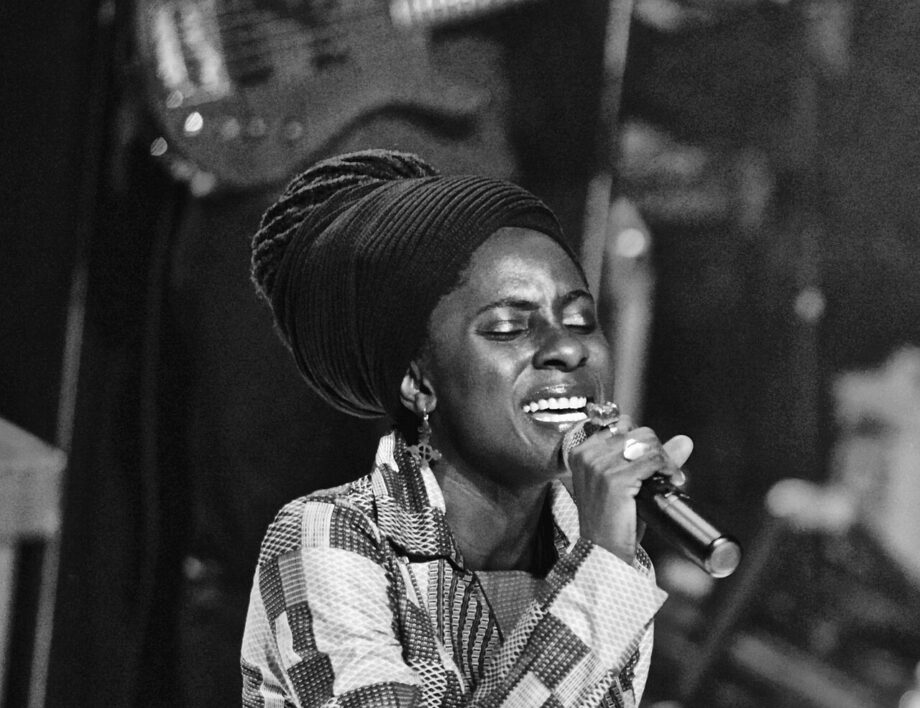
A history told only through its most recognizable men leaves a great deal outside the frame. Women in Rastafari have experiences and perspectives that deserve attention on their own terms. Understanding those experiences means listening to women speak about spiritual life, work, family, creativity and the communities they help sustain.
There is no single story that can stand for every woman. A useful introduction makes room for commitment, disagreement, continuity and change. It also asks why some forms of contribution become highly visible while others remain unnamed. The person keeping a community connected may never appear on an album cover or in a familiar historical photograph.
Start with women speaking for themselves
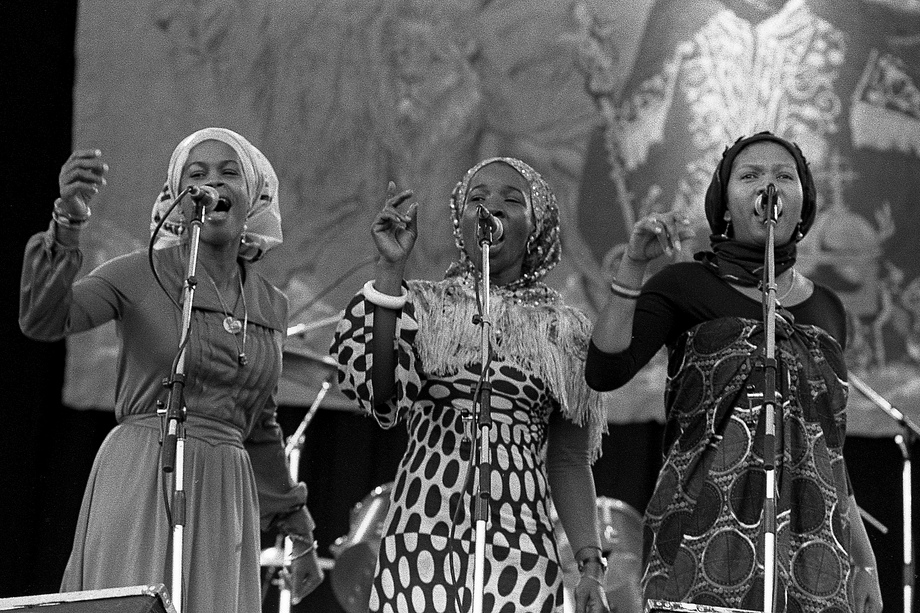
Elmina Davis’s documentary Omega Rising Women of Rastafari offers an important place to begin. The Institute of Contemporary Arts describes the 1988 film as a work that gives Rastafari women space to discuss their relationship to the movement. Its value for a new viewer is the opportunity to encounter voices and perspectives instead of relying entirely on someone else’s description of what women are supposed to represent.
A later Independent Cinema Office discussion, curated by historian Aleema Gray, returned to the film in a conversation about women’s living and visual archives. That connection is worth noticing. A documentary can become more than a record of a moment. When people return to it, ask new questions and connect it with memories, it can help sustain a conversation across generations without requiring everyone to arrive at the same conclusion.
For readers, the practical step is straightforward: seek out interviews and work that allow women to describe their own experiences. Pay attention to who asks the questions and how the answers are edited. A short quotation can be meaningful, but it can also hide the larger point a speaker was making. Give longer testimony the time you would give a familiar male leader’s speech or an artist’s best-known recording.
Look beyond the most visible forms of contribution
Rita Marley’s public work offers a concrete example of contribution beyond the stage. Her foundation describes support for young mothers returning to education and training, scholarships for young women, and educational enrichment projects for children. It also records work connected with the community of Konkonuru in Ghana. These are the foundation’s accounts of its programs, not a claim that one artist’s work represents every Rastafari woman. They show why community life belongs in a discussion that often begins and ends with music.
Writing and scholarship are another part of the record. Maureen Rowe’s article The Woman in Rastafari appeared in Caribbean Quarterly in 1980. Its presence in the research history matters: women were examining the subject and contributing to its interpretation, not simply waiting to be included in someone else’s account. Read alongside documentary testimony, such work helps keep women visible as people who produce knowledge about the movement as well as people whose lives are being described.
Music remains one possible route into these questions, but it should not become the only one. A photograph of a singer can draw someone into an article while leaving the wider history unexplored. Follow the voice beyond the performance. Where reliable interviews or records exist, ask what the person has said about their work, their influences and their community. Avoid assigning beliefs to someone solely from their appearance, stage name or association with other artists.
Make room for different experiences and honest questions
Respectful writing does not require pretending that everyone’s experience has been the same. Questions about authority, expectations and the place of women can be part of the conversation. The challenge is to let the evidence guide the account. Identify whose experience is being described, when it took place and whether the speaker is discussing a household, a particular community or a wider movement. Those distinctions protect a personal account from being stretched beyond what it can support.
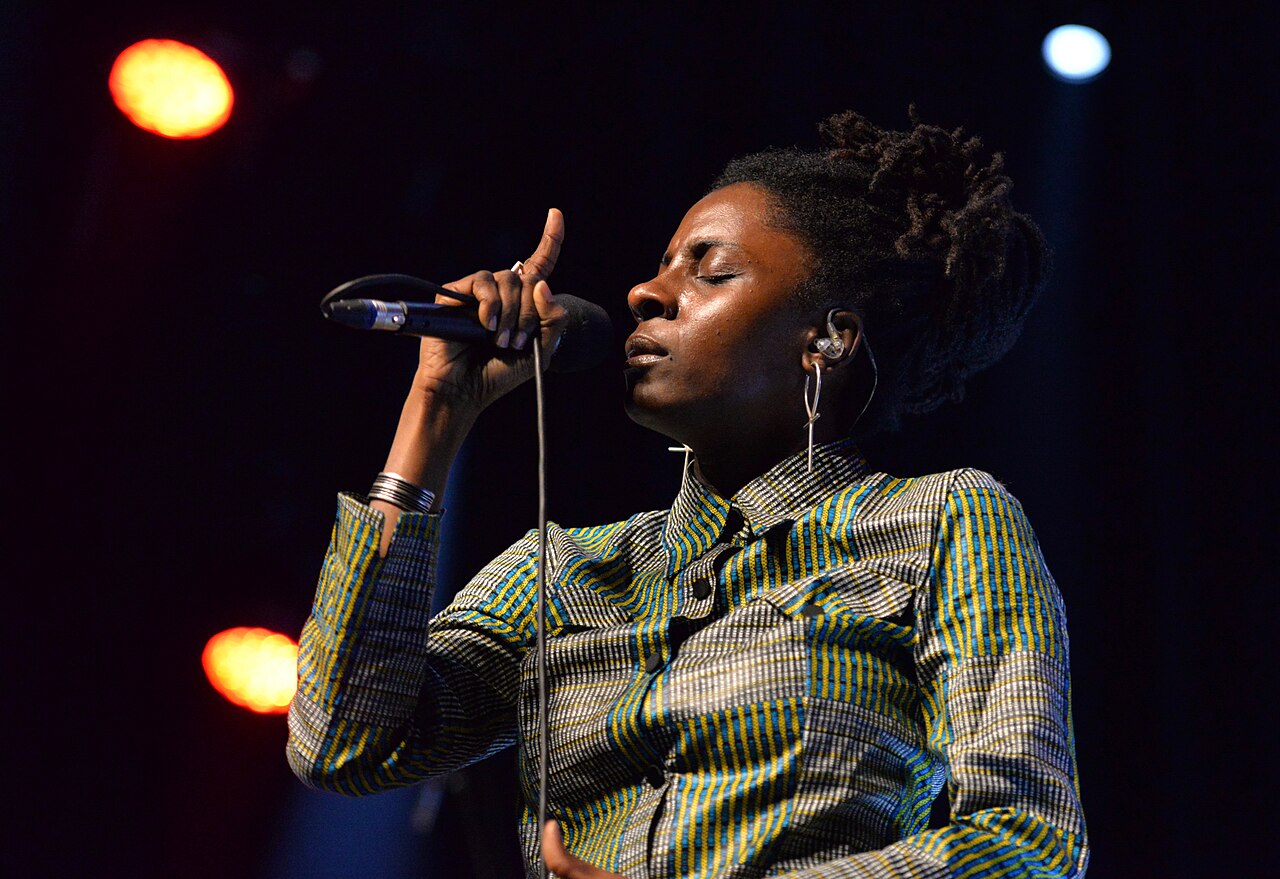
The same care applies to photographs and captions. An image of a woman at a cultural event should not automatically identify her as Rastafari unless the source supports that description. An artist’s public portrait should not imply that she speaks for every woman. Captions can state what is actually known and leave space for what is not. That small editorial habit helps keep a person visible as an individual rather than turning her into an illustration of a stereotype.
If you are collecting community stories, invite participants to help shape the questions. Ask how they would like to be identified and which parts of their story they want to share. Offer an opportunity to clarify names, places and dates. Make room for someone to decline a topic. The aim is a record that people can recognize as a fair account of their contribution, including work that older histories may have overlooked.
Learning about women in Rastafari starts with a change in attention. Look for women’s own words, acknowledge the limits of a single account and ask who is missing from the story you have inherited. Films, oral histories and community archives can help widen that view. They also remind us that a fuller history depends on listening to people who have always been part of it.


