
A stack of speaker boxes can make an impressive photograph. A reggae sound system becomes something more when the people around it bring the session to life. The selection, the sound, the room and the audience all matter. What you hear is the result of choices and relationships as well as equipment.
That is why sound system culture deserves more than a quick description of loud bass. It connects music with practical skill, shared space and a history of people making their own opportunities to listen. To understand the culture, begin with the crew behind the sound and the community that gives the music somewhere to land.
A sound system is a crew as well as a collection of equipment
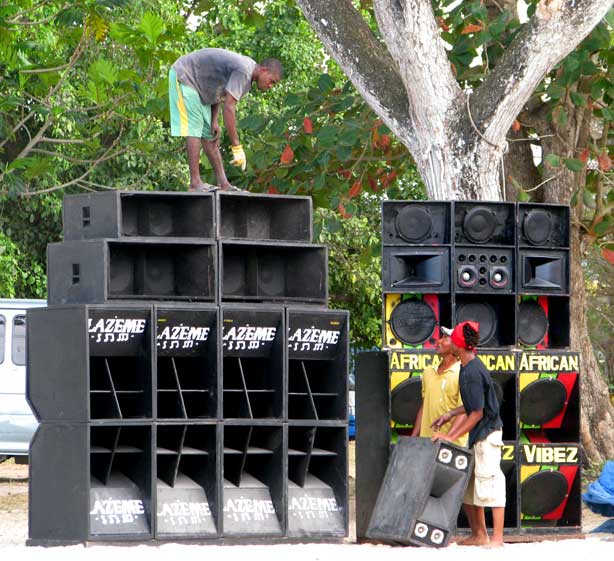
The V&A describes reggae sound systems through both the apparatus and the people who build and operate it. Amplifiers, speaker boxes and record decks belong in the picture, but so do the people who choose music and address the gathering. A system’s character is created through that combination. Two crews can work with similar records and still produce different experiences because their selection, pacing and approach to an audience are their own.
The names used for roles can vary across periods and settings. A selector’s choices, an operator’s control of the sound and a microphone voice each help shape a session. In a smaller crew, one person may take on several tasks. The useful question is what each person is doing rather than whether every gathering follows an identical organizational chart. Watch how the work fits together before assuming that one visible performer is responsible for everything you hear.
Technical work deserves attention, too. The same V&A exhibition includes a pre-amplifier associated with engineer Percival Miller, known as Metro. It places the physical work of sound-making within a wider cultural history. A box, cable or control panel may not look as glamorous as a stage photograph, but it can hold evidence of experimentation and skill. The equipment is part of a story of people learning how to make sound serve their musical intentions.
The gathering gives the music a social life
The Reggae & Dancehall Museum’s account of sound system culture places it within Jamaican musical life as a setting where technology, identity and community meet. This offers a helpful starting point for listeners: a recording does not arrive in an empty space. The people present hear it together, respond to it and help give the occasion its character. A selection can connect a familiar tune with a new audience or bring a shared memory back into the room.
Reggae’s social meaning is also recognized in UNESCO’s account of the music. Its description identifies social commentary, spiritual expression and themes including resistance, love and humanity. Those connections help explain why listeners may value a session for more than its entertainment. They do not make every record or gathering identical. Listen for the particular messages being chosen, and give the context as much attention as the force of the bass.
One useful way to listen is to notice sequence. What did the selector play before this record, and what follows it? Does a vocal return in a different version? How does the audience respond when a familiar opening appears? These observations do not require specialist equipment knowledge. They help reveal the musical conversation taking place across records, microphone and room. A session is something that develops over time rather than a playlist heard one isolated track at a time.
Follow the people behind the sound
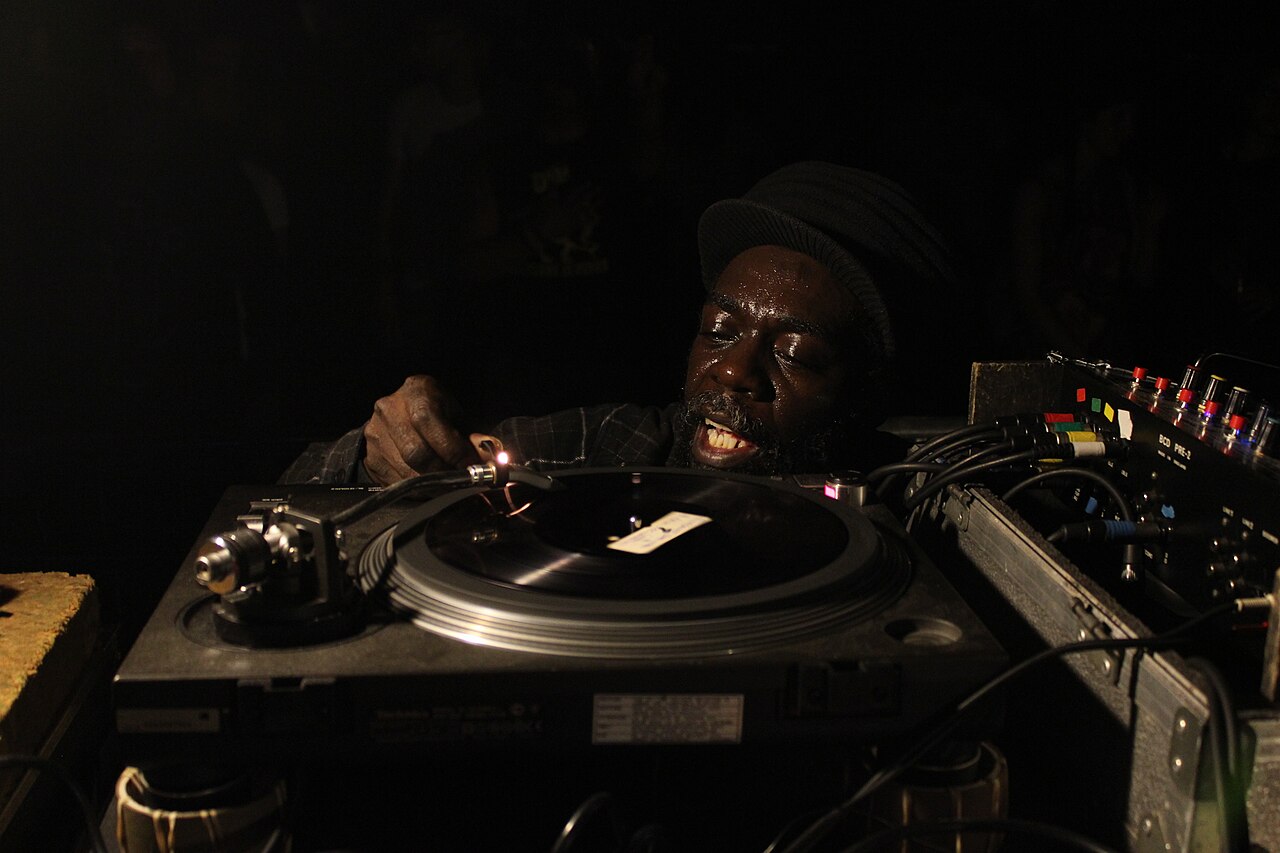
A long-form conversation can reveal details a short performance clip leaves out. In his Red Bull Music Academy lecture, Jah Shaka discusses coming to England, his early encounters with sound systems, music and the work of tuning a room. The value is not that one operator supplies a complete history. It is that a practitioner can explain how particular experiences and decisions connect with the sound an audience later recognizes.
When you discover a crew you enjoy, look for its own recordings, interviews and event information. Credit the system and the people involved when sharing a photograph or a clip. A striking image can circulate widely while the name of the crew disappears. Keeping that information attached gives listeners a route back to the people doing the work and helps preserve a more useful record of the occasion.
For a first visit, confirm event details with the organizer and consider the practical setting. Protect your hearing, follow the venue’s guidance and ask before recording people at close range. You can enjoy a session without treating it as material you need to capture. Sometimes putting the phone away is the best way to notice a transition, a response from the room or the detail that makes this particular sound feel different.
Reggae sound systems bring together craft, musical knowledge and a community of listeners. The speaker stack is a visible beginning, but the story continues through the people who build it, the records they choose and the occasions they sustain. Explore the music guide for related sounds, then follow the crews themselves. Listening gets more interesting when you know whose work is carrying the rhythm.


