
A documentary can bring a voice into the room with unusual force. A pause, a change of expression or the sound of a place may communicate something that a short written description cannot. Films about Rastafari can offer that kind of encounter, but they also make choices about who is seen and how a story unfolds.
Instead of approaching every film as a complete explanation of the movement, begin with its particular subject. Who is speaking? What question is the filmmaker asking? Which experiences are given time, and which remain outside the frame? Those questions can make a viewing more rewarding without turning it into a search for a single definitive screen version of Rastafari.
Testimony can carry histories that a familiar image leaves out
Bad Friday Rastafari After Coral Gardens focuses on a community in western Jamaica and its remembrance of the violence associated with Coral Gardens in 1963. The distributor, Third World Newsreel, describes the film through the recollections of people who experienced persecution and the ways those memories connect with a collective future. That focus takes the viewer beyond a general image of Jamaica as a holiday destination or a backdrop for music.
The film is associated with directors Deborah A. Thomas, John L. Jackson Jr. and Junior Gabu Wedderburn. A University of Pennsylvania account of the project provides another route into its purpose and development. Knowing who made a documentary and the circumstances of the work helps a viewer ask more precise questions. It does not require agreeing with every interpretation, but it gives the film a context beyond its title and a short promotional description.
While watching testimony, notice how a speaker’s account is presented. Are questions audible? Is the account allowed to develop, or is it broken into brief lines between other material? Does the film identify dates and locations clearly? These observations help you distinguish what a person says from the larger argument created through editing. A moving passage can be valuable evidence without automatically answering every historical question around it.
Women’s voices change the shape of the screen history
Elmina Davis’s Omega Rising Women of Rastafari provides a different route into the subject. The ICA’s account of the 1988 documentary emphasizes women speaking about their relationship to the movement. Its significance lies partly in the choice of whose experiences receive attention. When women become speakers rather than only figures in the background, a film can change the questions a viewer is able to ask about spiritual and community life.
The film also continues to generate discussion after its original release. The Independent Cinema Office’s event on archival resistance connected it with living and visual archives of Rastafari women in Britain. This is a useful reminder that a film does not stop working when the credits end. Later audiences, researchers and communities can revisit it, recover overlooked details and bring it into conversation with memories or material that earlier viewers did not have.
Watching across more than one film helps avoid asking a single person to represent everyone. Compare the kind of setting, the time available for a speaker and the questions being asked. A film organized around a public event will differ from one built around sustained interviews. Those differences are part of the experience. They can explain why two documentaries offer contrasting impressions without making either a complete map of the movement.
Keep watching with context and credit
Before sharing a documentary, identify the title, filmmaker and a legitimate viewing source. A clip posted without credits can travel much farther than the work it came from, leaving viewers unable to locate the fuller account. If you recommend a passage, explain what interested you rather than presenting it as proof that an entire community thinks in one way. Keep the speaker, the scene and the film’s wider subject connected.
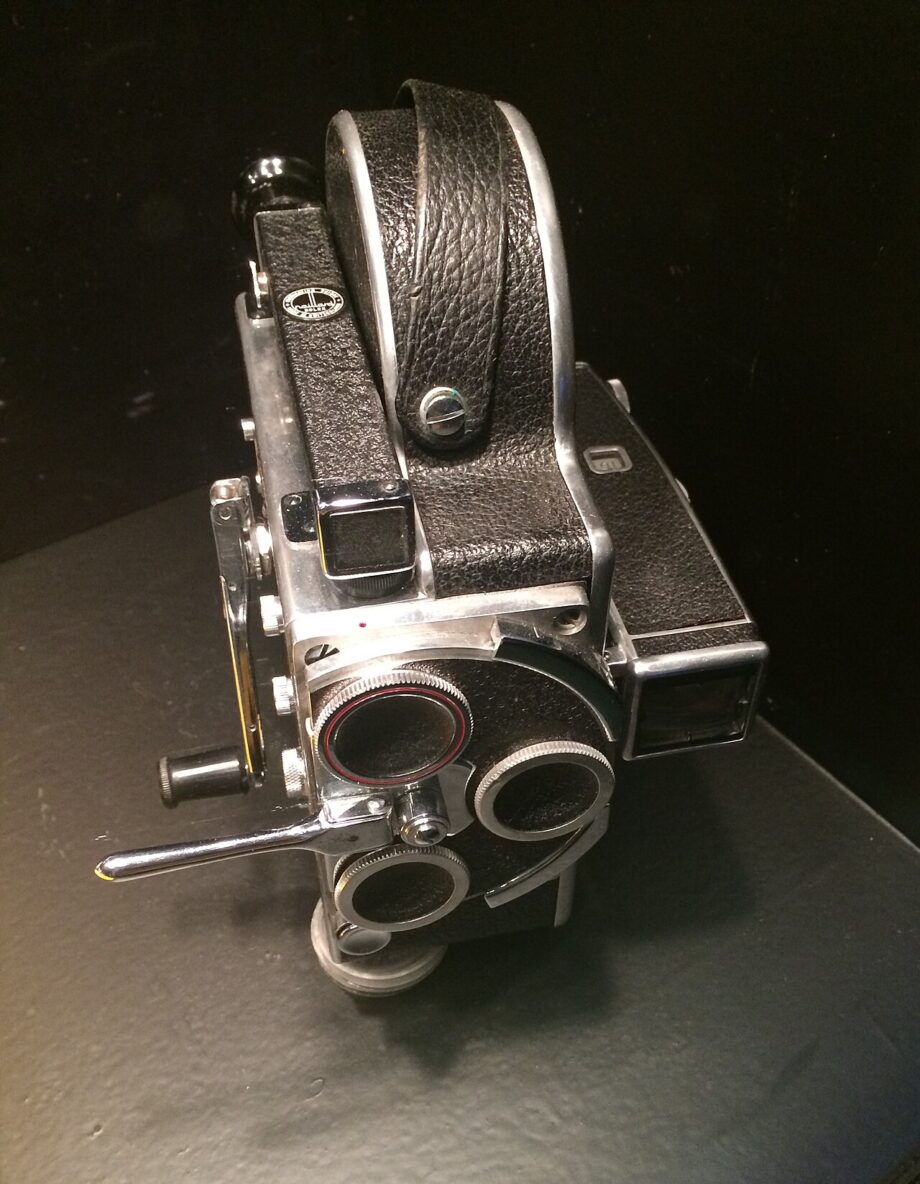
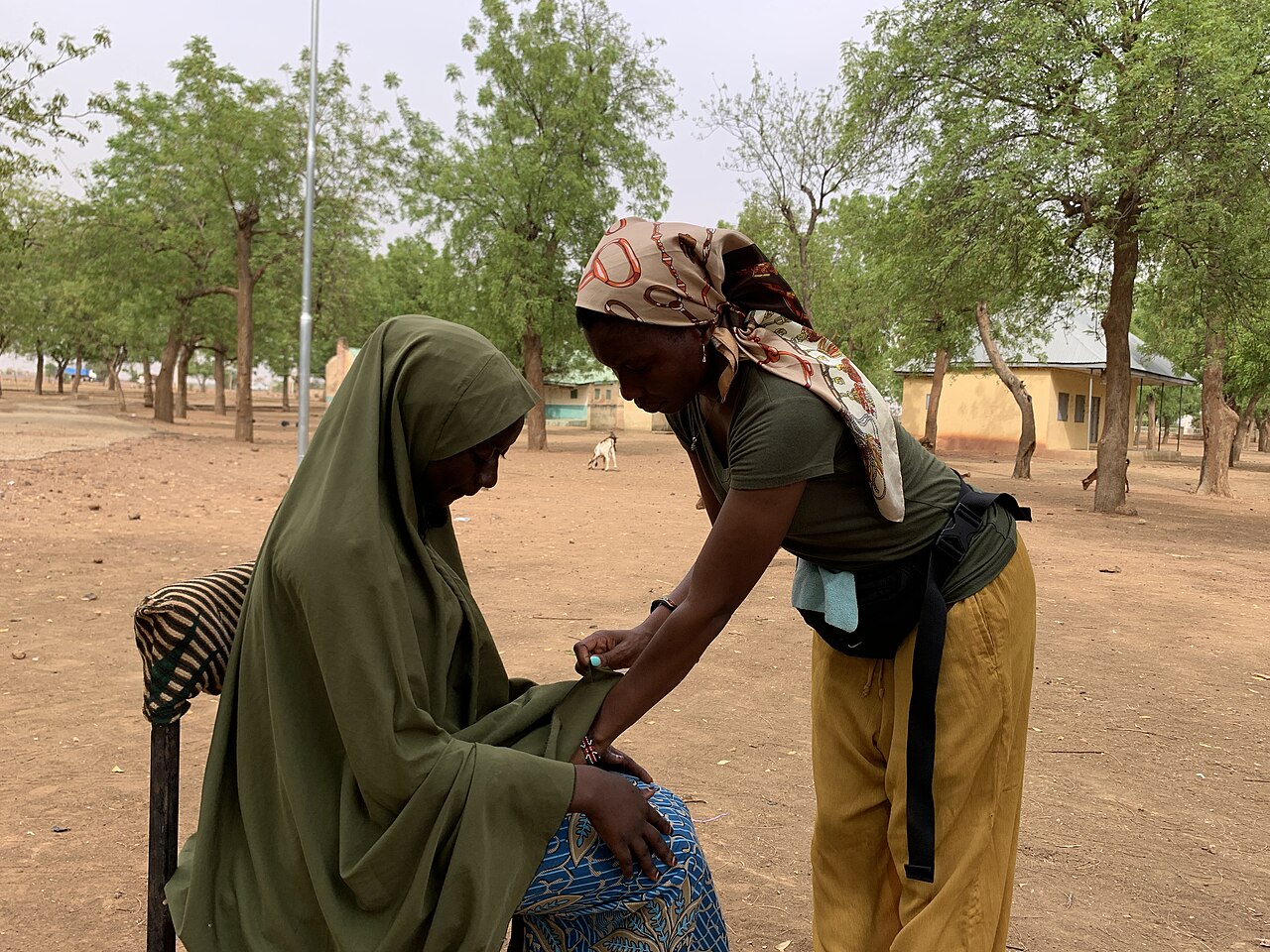
Captions and background images matter as well. A photograph of a projector or camera can illustrate a discussion of filmmaking, but it should not be labeled as a still from a documentary it has no connection with. The images in this article are credited context photographs. The films themselves deserve their own accurate titles and sources. This keeps a visual page useful without blurring the line between illustration and evidence.
Our Jamaican movies page is a starting place for discovering films and features. Use it to find a direction, then follow the filmmaker or distributor when you want production information, context or a lawful way to watch. Leave space after viewing to reflect on what the film made visible and what you would still like to understand. A good documentary can open a conversation rather than closing it with the feeling that the subject has been completely explained.
Rastafari voices in film become easier to hear when we give attention to testimony, production choices and the people a familiar narrative might overlook. Watch more than one account, keep credits attached and look for the longer conversation around a work. The screen can be a place of discovery when it leads us back to people’s histories instead of replacing them with a single image.


