
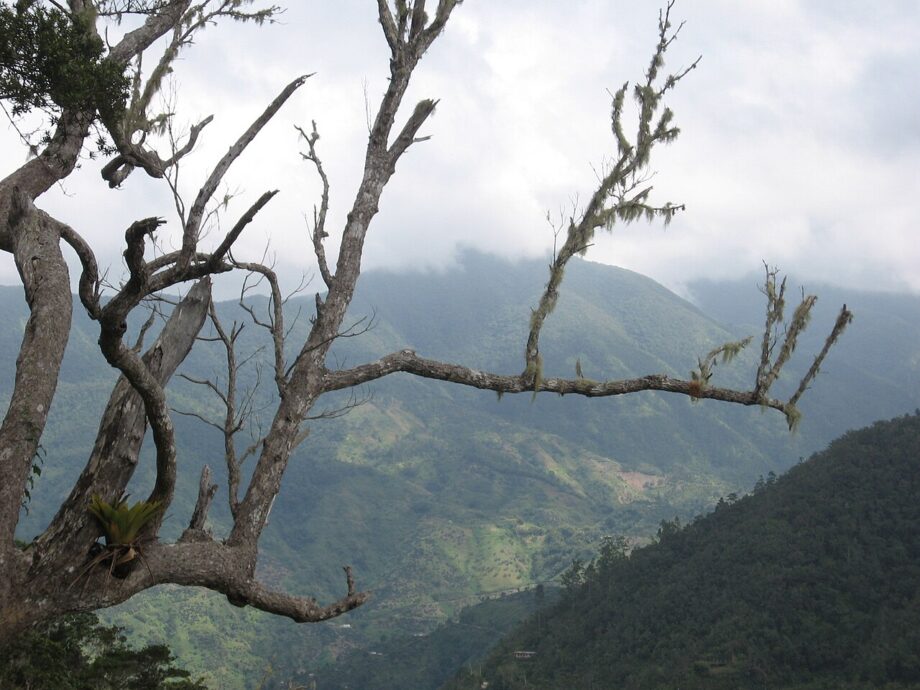
Care for the earth can begin with the places closest to us: a garden, a river, a patch of shade or the materials we choose to use again. Exploring that care alongside Rastafari spiritual life brings attention to relationships rather than simply to a collection of environmentally friendly products.
Livity is a word readers may encounter in this conversation. It directs attention toward life as it is lived, including the connection between understanding and daily choices. There is no single environmental program that can stand for every Rastafari person. A useful starting point is to look at specific practices and listen to the people who explain their meaning.
Livity brings everyday choices into the conversation
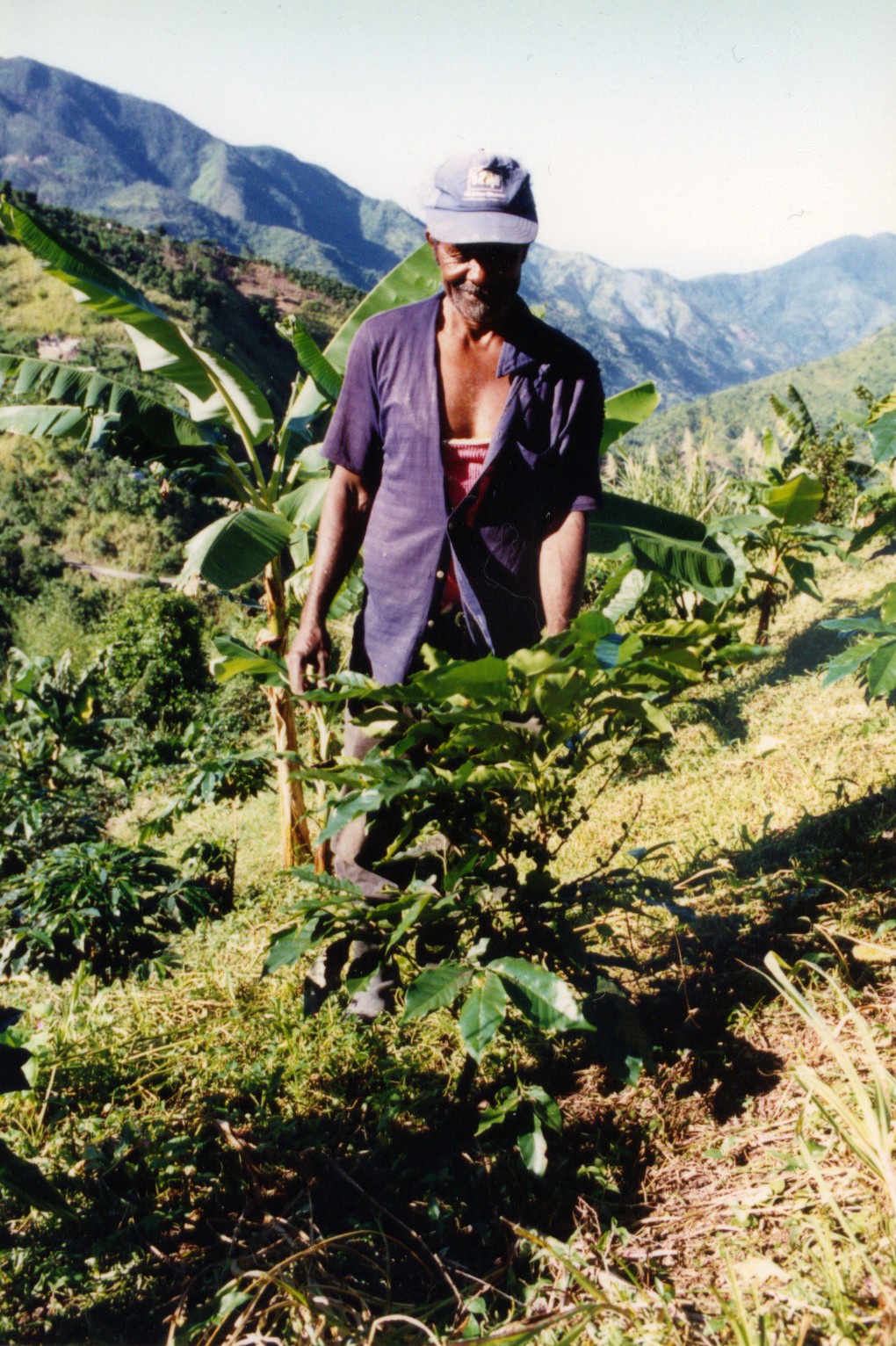
Thinking about spiritual life only through special occasions can leave ordinary actions out of view. A broader question is how a person’s understanding of life informs work, consumption and relationships with their surroundings. The point is not to assign the same routine to everyone. It is to notice where someone connects a practical choice with a larger sense of responsibility, and to let that person explain the connection in their own terms.
Rastafari Indigenous Village describes its community through preservation of tradition, protection of the natural environment and everyday activities involving gardeners and artisans. This is one community’s account, not proof that every Rastafari household lives in the same way. Its value is the way it places cultural and environmental life beside each other. A garden or handmade object can be part of community practice rather than a decorative symbol added for an outside audience.
Readers can approach that relationship without turning it into an idealized picture. A place that cares about the environment can still face constraints, damage or disagreement. People may have different resources and different options. A thoughtful account leaves those realities visible. It asks what a community is trying to sustain and what support or conditions make that work possible, rather than judging people against a perfect image of natural living.
Care for land also means paying attention to people
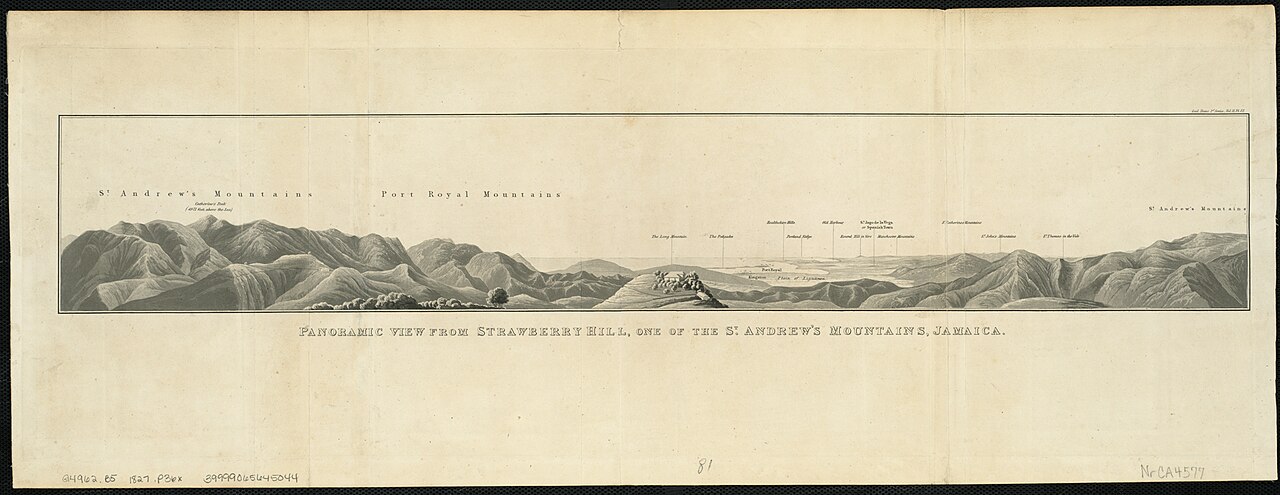
A landscape is rarely separate from the people who live with it. When a road, building project or other change affects a community space, the consequences can involve livelihoods, access and the ability to gather. Rastafari Indigenous Village’s public account of disruption from a road project offers one specific example. Its own description should be read as the community’s statement about its circumstances, with current details checked at the source rather than assumed from an older travel listing.
This connection is useful when looking at a photograph of a beautiful place. Ask what is outside the frame. Who maintains the path, tends the garden or depends on the river? What changes have residents described? The questions move environmental attention beyond scenery. They make room for the labor, knowledge and relationships that help a place remain livable. They also encourage a reader to look for local voices before deciding what a landscape needs.
The history of Rastafari also invites attention to land and the possibility of living with dignity. Shashamane, for example, connects a particular place with a wider story of return and belonging. That does not make every land question the same. It does show why a conversation about the earth may also be a conversation about memory, home and the conditions under which people can build a life. Our Shashamane article explores that history more closely.
Bring the reflection back to your own surroundings
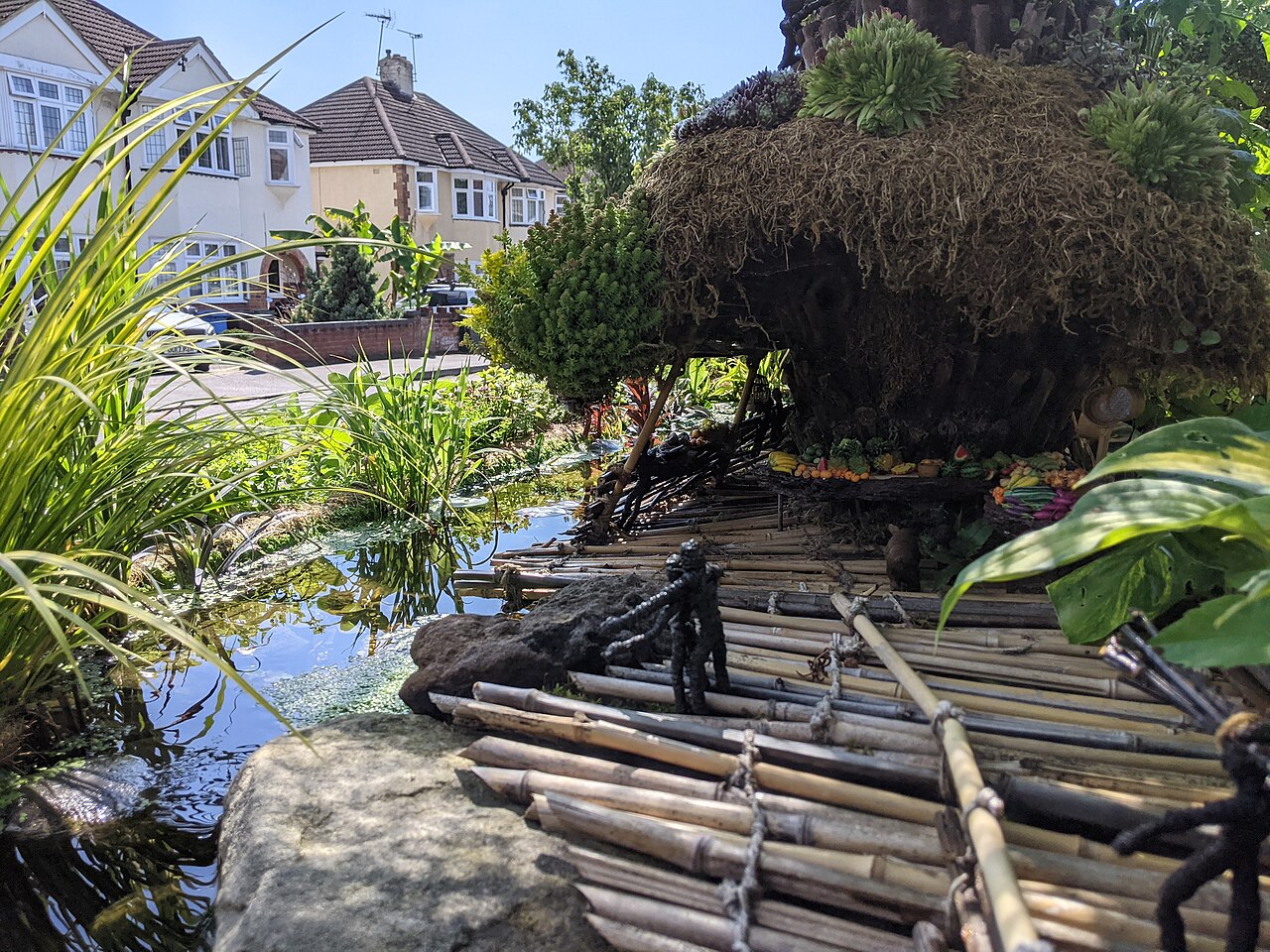
You do not need to claim another community’s identity to reconsider your own habits. Begin with a small, observable question. What do you throw away that could be repaired? Where does a frequently used material come from? Is there a local group already caring for a shared place that you could learn from? Choose something you can understand well enough to act on, then pay attention to what changes and what remains difficult.
Avoid treating a purchase as a substitute for a relationship. A product described as natural does not tell you everything about how it was made, who made it or what happens when it is discarded. Where that information matters to your decision, look for clear evidence rather than relying on colors, packaging or spiritual imagery. The same habit of asking careful questions can improve both environmental choices and the way we read cultural claims.
It is also possible to learn without turning every lesson into a public performance. Spend time observing a place over different seasons. Listen to people who have worked there longer than you have. If you share a community’s environmental work, link to its own explanation and identify the people involved. Care becomes more concrete when it includes accurate credit, patient attention and a willingness to notice what a polished picture leaves out.
The connection between Rastafari spiritual life and care for the earth is most useful when explored through people’s actual practices and accounts. Let a particular garden, community or history lead you into a fuller conversation. The invitation for readers is to pay closer attention to the relationships behind daily choices, including the people and places those choices affect.


