
For many people discovering Rastafari, Ethiopia first appears in a song, a photograph of Haile Selassie I or a reference to Zion. Shashamane brings that connection into the geography of everyday life. It is a place where the idea of return has met the work of making a home.
You may also see the town written as Shashemene or Shashemane. Its importance reaches beyond a single spelling or a simple story of arrival. To understand the Rastafari journey to Ethiopia, it helps to follow the relationships behind the land grant, the meaning of repatriation and the experiences of people who have lived with that connection.
The land grant connected Ethiopia with the African diaspora
The Ethiopian World Federation is central to this history. Founded in New York in 1937, it helped organize support for Ethiopia during the struggle against Italian occupation. A timeline co-curated with Rastafari elders for Rastafari in Motion connects that organizing with the later Shashamane land grant. It records the grant in 1948 and describes its relationship to support from people of African descent outside Ethiopia. Historical accounts do not all assign the same date to the grant, so the broader postwar connection is more secure than treating one date as the whole story.
The gift was connected with a wider African diaspora, not simply a parcel of land created for one religious organization. That distinction helps explain why the story involves different organizations, settlers and understandings of return. Shelene Gomes’s ethnographic research describes the Federation’s role in the early movement of West Indian and African American repatriates. A useful introduction keeps those organizational relationships visible rather than reducing the settlement to a single famous person’s promise.
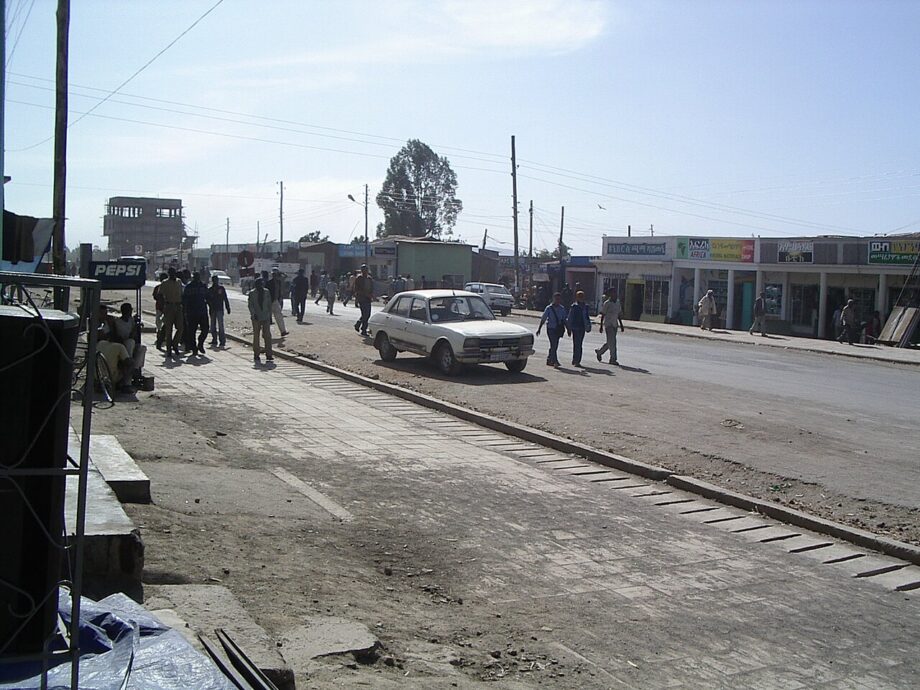
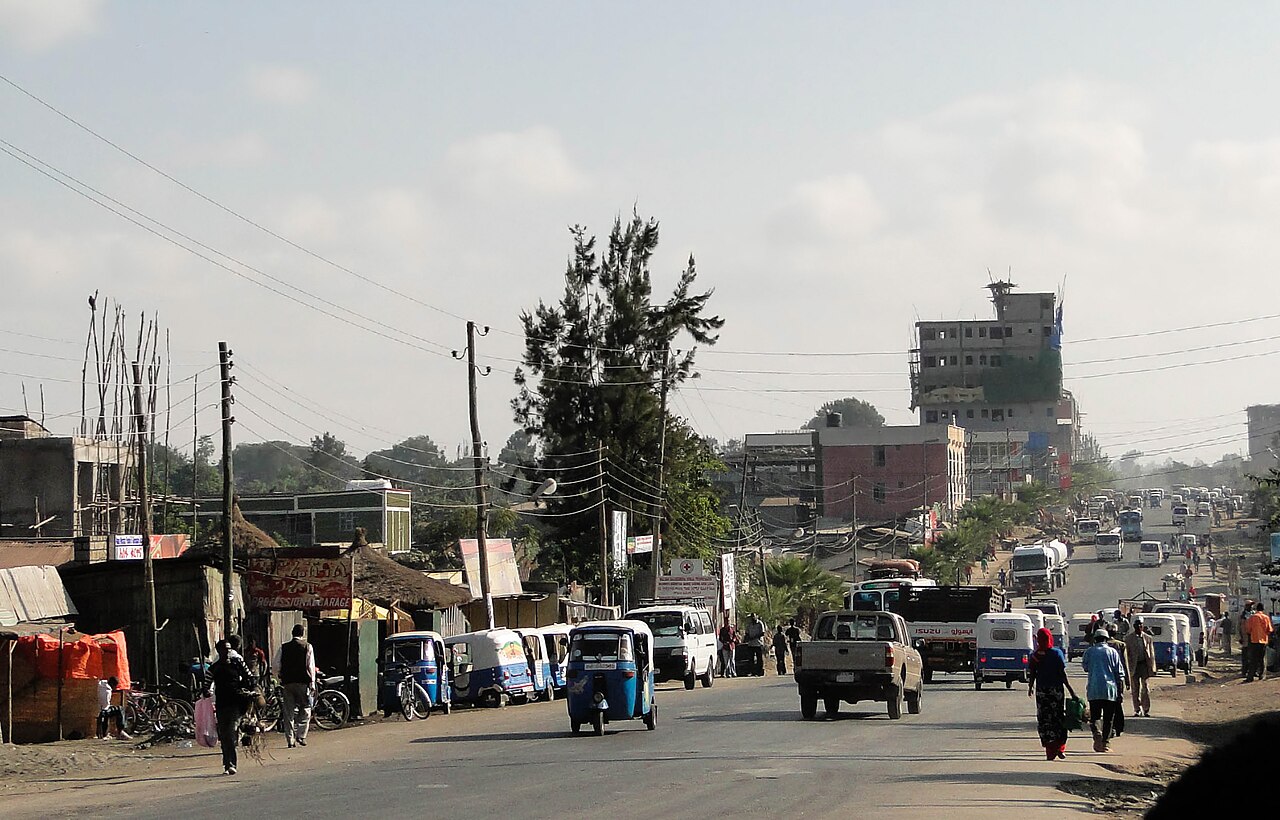
The geography also matters. Shashamane is an Ethiopian town with a history and population larger than its Rastafari associations. Its streets, businesses and neighborhoods are not a stage built around a visitor’s expectations. Photographs of a banner or a familiar red, gold and green flag show one part of a place. They should be read alongside the ordinary evidence of people working, traveling, learning and building relationships there.
Repatriation is more than a change of address

Within this story, repatriation connects physical movement with questions of belonging after slavery and colonialism. It can involve a journey toward a place understood as an ancestral home, but the meaning cannot be measured only by an airline ticket. Families and individuals may understand their connection with Africa through spiritual commitment, cultural work or a life built across more than one country. Moving to Ethiopia is one important experience within that wider conversation.
Gomes’s research follows the practical and personal dimensions of settlement. Housing, income and the resources needed to establish a household appear alongside ideas about homeland. These details give the story substance. A place can carry deep symbolic importance while still requiring residents to solve ordinary problems. Paying attention to both dimensions helps avoid romantic accounts in which arriving somewhere automatically resolves every question of identity or makes daily life effortless.
The distinction is useful when reading a personal account. Ask whether someone is describing the hope that preceded a journey, their first encounter with the town or a home they have maintained over many years. Those are different points in a life. A remembered arrival may be full of emotion, while a later account may concentrate on neighbors, work and family. Neither needs to cancel the other for the story to be meaningful.
Read Shashamane through the people who call it home
A careful account of Shashamane needs more than a few recognizable symbols. Look for residents’ accounts and research that identifies when interviews were conducted. Distinguish a historical description from a claim about conditions today. A study from an earlier decade can illuminate a family’s experience without proving that present arrangements, opportunities or difficulties remain unchanged. Keeping dates visible is a basic part of treating a living community fairly.
The same care applies to the language of ownership and belonging. A short cultural article cannot settle current land, citizenship or organizational disputes. Nor should a story about repatriation become advice about moving or acquiring property. Readers can appreciate the historical and spiritual importance of the place while recognizing that anyone considering a real move would need current information from the relevant authorities and people directly involved.
For a first exploration, follow a few connected threads: the Federation’s early organizing, the histories of those who traveled, and the town that exists beyond an outsider’s image of it. Notice how women, children, Ethiopian neighbors and less prominent residents appear in the record. If they are absent from an account, that absence is a reason to look further. The most useful picture is built from several situated voices rather than one sweeping description.
Shashamane gives the Rastafari idea of return a particular place without making that idea simple. Its story involves solidarity, faith, migration and the patient work of community life. Explore it with room for both aspiration and everyday experience. For more background on the people and ideas connected with Rastafari, visit our resource hub, then follow the sources below into the longer histories behind the journey.


