
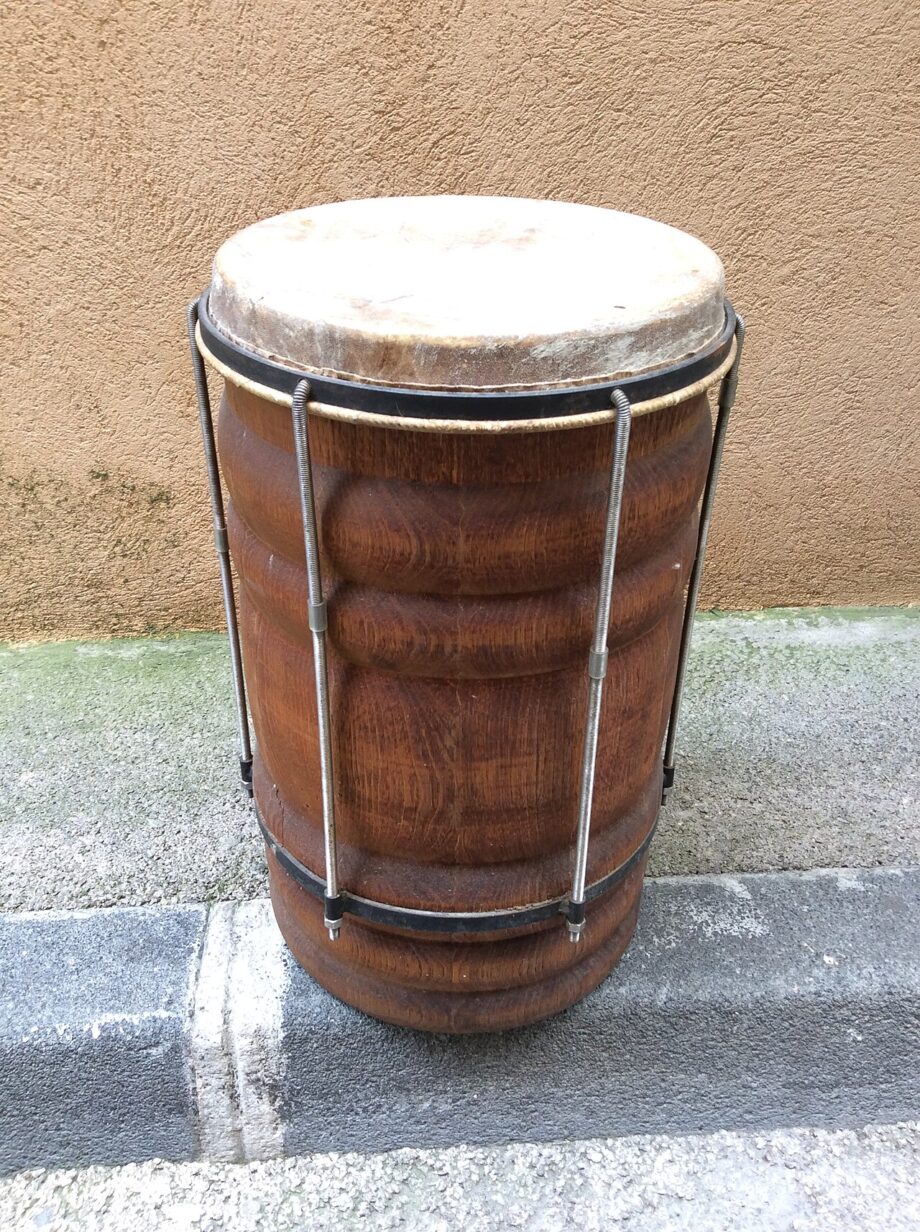
An invitation to a Rastafari gathering can be an opportunity to listen, learn and make a real connection. The best preparation begins with the people hosting it. They can explain the purpose of the occasion and what is appropriate in their own setting.
There is no universal visitor checklist that replaces that conversation. A concert, a public cultural program, a community visit and a spiritual gathering may have different expectations. Rather than arriving with a collection of assumptions, bring a little background knowledge, practical preparation and the willingness to follow your host’s guidance. Here are the questions that can make a first visit more thoughtful.
Find out what kind of gathering you are attending

Begin with the event’s purpose. Is it a public educational occasion, a music event, a commemorative gathering or something that is open only by invitation? A photograph or an online listing may not answer that question clearly. Ask the organizer before making plans. An event being visible online does not mean that every part of it is open for visitors to enter, film or participate in.
Confirm the practical details directly, including the date, location, arrival arrangements and any accessibility questions. Ask whether children are welcome and whether there is something specific you should bring. These questions are not a test of cultural knowledge. They help the host understand your needs and help you avoid placing an unexpected burden on the gathering. If arrangements change, use the organizer’s current guidance rather than an older article or reposted flyer.
Community-run visits illustrate why current information matters. Rastafari Indigenous Village’s website asks guests to have confirmed appointments and describes changes affecting its community space. Its visitor programs are not a reason to assume that every Rastafari home or gathering operates as an attraction. Where a visit is offered, follow that community’s own booking and attendance arrangements. Our events calendar can help you discover occasions, but the organizer remains the right source for final details.
Ask about participation instead of guessing the rules
Once you know that visitors are welcome, ask how to take part. There may be moments for questions and moments when listening is more appropriate. A host can tell you whether you should join an activity, wait for an invitation or remain in a particular area. You do not need to perform familiarity. A simple question asked respectfully is more useful than copying something you saw in a video without understanding its setting.
The Smithsonian’s Discovering Rastafari exhibition emphasized both common practices and diversity within the movement. That is an important reminder when thinking about etiquette. A particular community’s guidance should not be presented as a rule governing everyone who identifies with Rastafari. If a host explains expectations about clothing, seating, food or participation, follow the instructions for that occasion without turning them into a sweeping statement about all Rastafari people.
Consider your own comfort as well. You can be a respectful guest without accepting every invitation to participate. If something is unfamiliar or you do not wish to join it, ask quietly about an alternative. Bring any important dietary, mobility or sensory questions to the organizer beforehand. Thoughtful preparation makes it easier to be present, rather than spending the visit negotiating needs that could have been discussed in advance.
Give people control over their images and stories
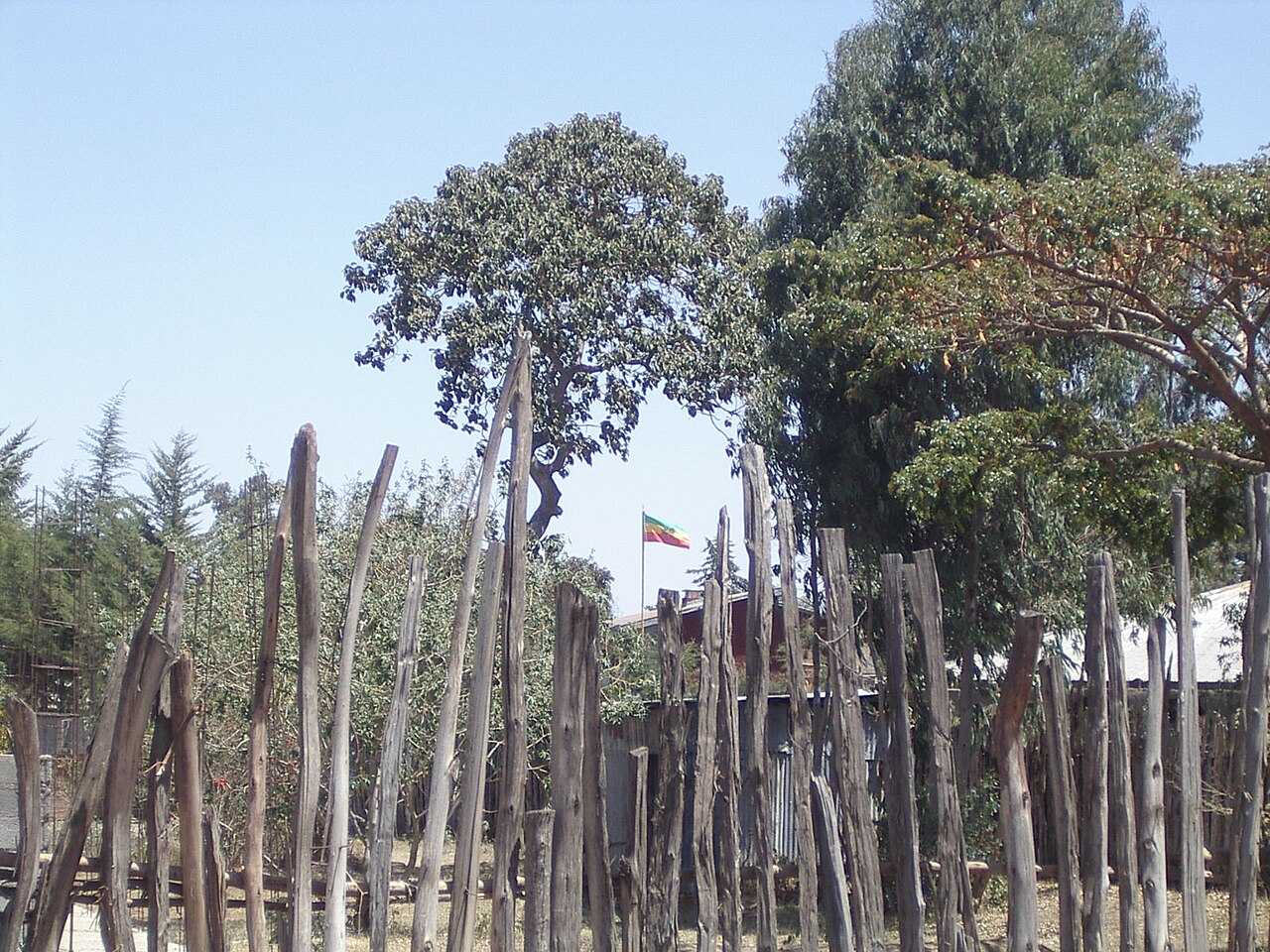
Ask before photographing someone at close range, recording a conversation or sharing a personal story from the gathering. A host’s permission to take a general photograph may not cover every person in it. Children and private conversations deserve particular care. If permission is declined, put the camera away. A meaningful visit does not need to produce a collection of images for an audience elsewhere.
Be clear about what you intend to do with a recording. A photograph for a private memory and material for a public website are different uses. Explain your purpose in plain language rather than assuming that people will understand where a clip might travel. When you do share something, identify the event and credit the people involved accurately. Do not name someone’s beliefs from their appearance or assign a quotation to a person unless you know who spoke.
Leave room for the experience to continue after you go home. Make a note of questions you want to explore through reliable sources rather than expecting your host to explain an entire tradition in one visit. If an organizer provides a public account, recording or project page, follow that route to learn more. A short message of thanks can recognize the time people gave you without turning the relationship into a request for further unpaid instruction.
The most helpful preparation for a Rastafari gathering is a clear invitation, an informed conversation with the host and a willingness to listen. Respect grows through specific choices: confirming arrangements, asking before participating and letting people decide how their words and images are shared. Take those habits with you, and the visit can be something more lasting than an item checked off a travel list.


