
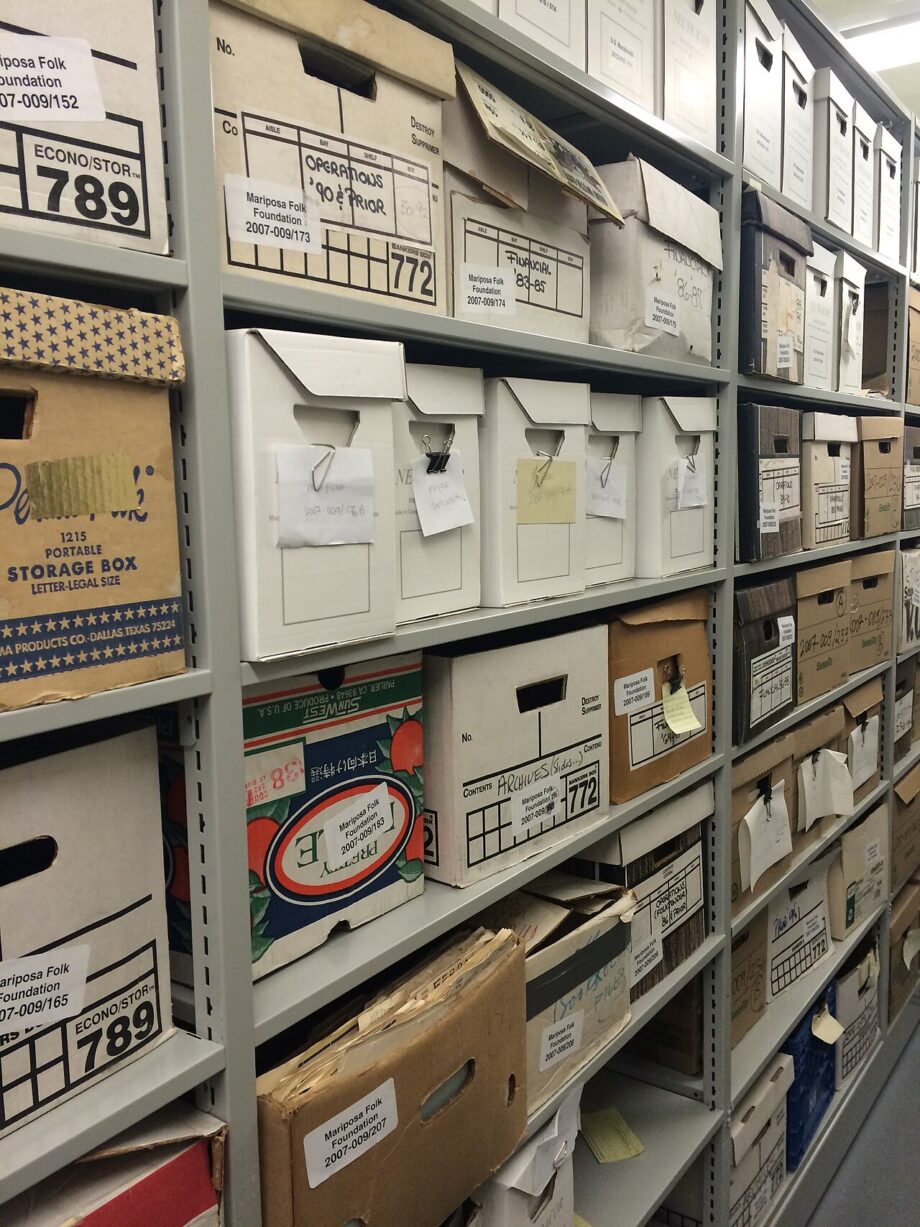
A community’s history can survive in objects that were never intended for a museum. A flyer, a letter, a photograph with a name on the back or a recording of an elder’s voice may hold details that a later account struggles to recover. Preserving Rastafari history means recognizing the value of that everyday record.
An archive does more than gather old things. It keeps information about who made them, how they were used and what people want others to know. Good preservation connects an item with its context while giving the people involved a say in how their stories become available. You can begin with one carefully described photograph rather than waiting for a large, perfect collection.
Everyday documents can widen the historical record
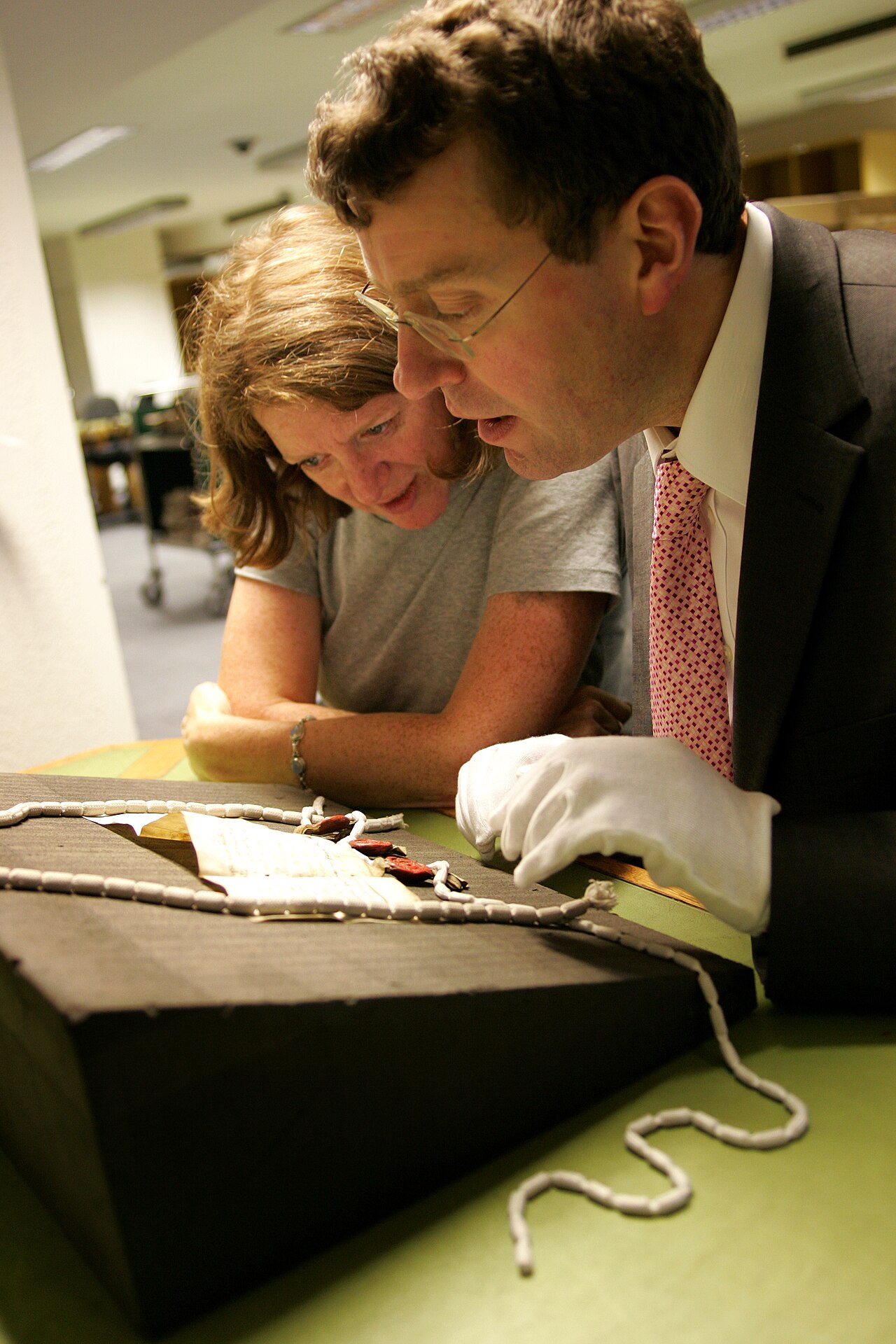
The Written Rastafari Archives Project is one example of the value of material that might otherwise be treated as temporary. Tufts University’s library description lists newsletters, magazines, newspapers, booklets, statements, letters and related writing produced by Rastafari organizations and individuals. Such items show people addressing their own concerns in their own publications. They can reveal priorities and connections that do not appear in accounts written mainly from outside the community.
A small object can ask a surprisingly large set of questions. A flyer may identify an organizer, venue, date and reason for gathering. Notes on a letter may connect two people across countries. An old photograph may show a meeting place that has changed or disappeared. Preserve those clues together where possible. Removing an item from its context can make it look attractive while reducing what another person can learn from it.
Community archives can also change who appears in a history. A public account may repeatedly name the same leaders, while a personal collection records the people who organized transport, maintained a space or kept correspondence moving. Those details do not have to compete with major events. They help explain how an event or organization became possible. They also offer future researchers a route into lives that would otherwise remain difficult to trace.
Keep the story attached to the photograph or recording
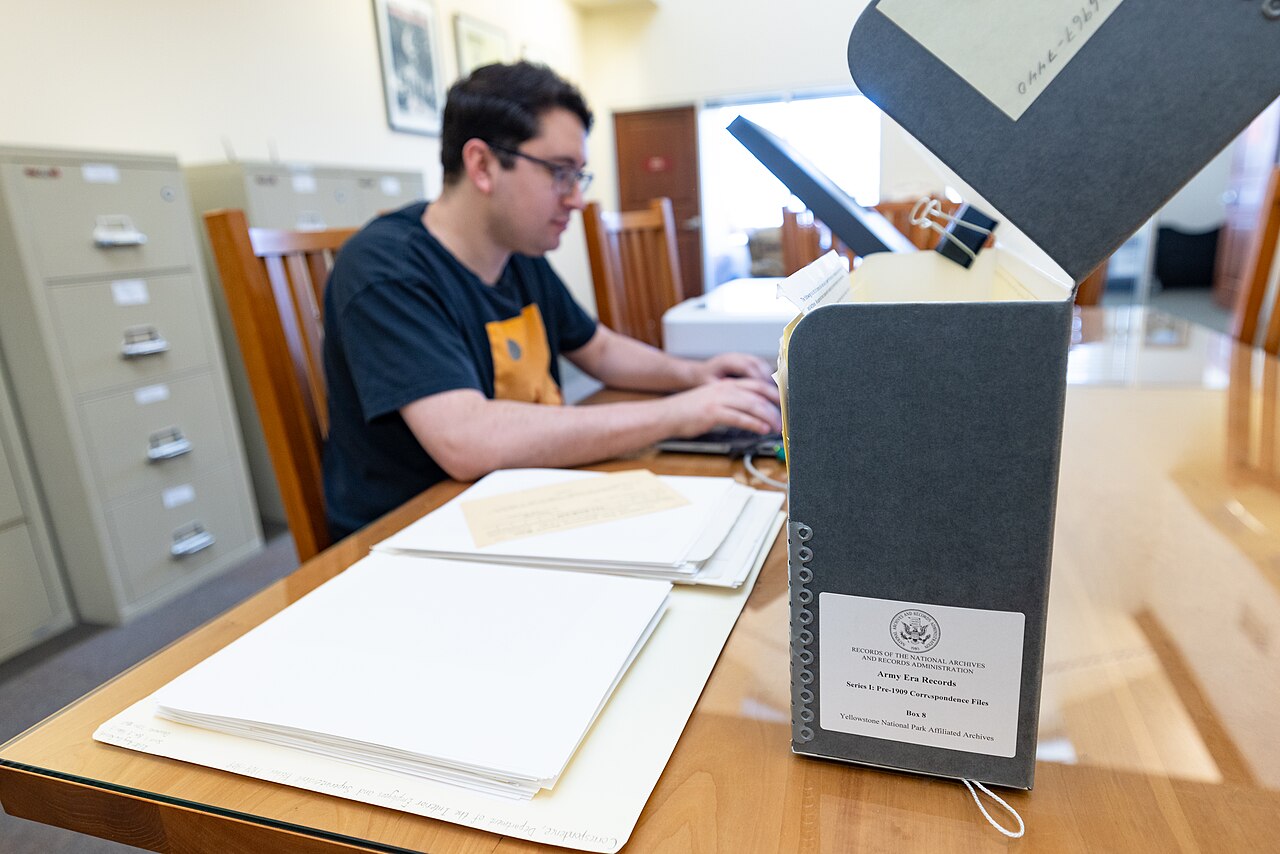
Begin with a simple description. Record what the item is, who provided it, the names that are known and the place and date if they can be established. If a date is approximate, say so. If someone identifies a person from memory, record whose identification it is. Keeping uncertainty visible is more useful than filling a gap with a confident guess that later becomes difficult to undo.
For an oral history, discuss the purpose before recording. Ask how the participant wants to be identified and whether any subjects should remain off the record. Explain where the recording may be stored or shared, and agree on what can be made public. These are practical starting points for a conversation, not a substitute for a collecting institution’s own process. A partner archive can explain its requirements before material is handed over.
When making a digital copy, keep the original file and a separate description that can travel with it. Use consistent filenames and maintain more than one copy in separate locations. Check that files still open, and keep a record of any changes. A scan on one laptop is vulnerable to the same accident that might destroy a folder of photographs. The goal is continued access, not simply the act of digitizing something once.
Preservation works best as an ongoing relationship
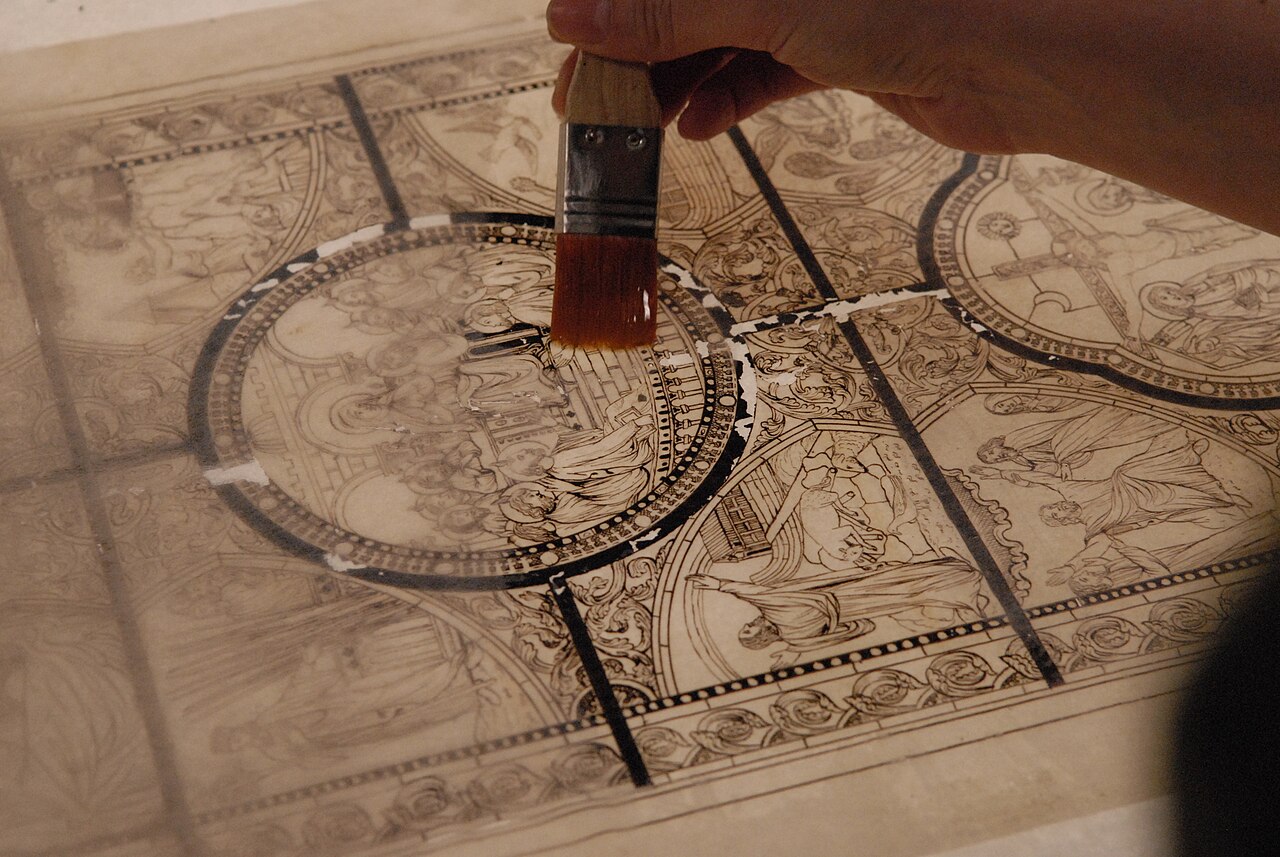
Archives have limits as well as strengths. A collection reflects decisions about what could be kept, what people were willing to share and what an institution considered worth collecting. The Smithsonian’s Discovering Rastafari exhibition used photographs, artifacts, ephemera and recorded voices to introduce both common threads and diversity. That range is a useful reminder that no single type of item can carry the full history on its own.
If you want to contribute material, speak with an appropriate archive before sending it. Ask about its collecting interests, the descriptions it needs and any restrictions on access. The National Library of Jamaica provides a route into Jamaican collections, while specialist projects and community organizations may focus on particular places or subjects. A conversation can help identify a suitable home without assuming that every institution can accept or make everything publicly available.
Community participation should continue after an item is cataloged. People may recognize someone in a photograph, correct a place name or explain why a gathering mattered. Keep a record of those additions instead of silently replacing an earlier account. Where contributors disagree, preserve the attribution of each account. An archive becomes more useful when it shows how knowledge was gathered and allows later readers to understand the evidence behind a description.
Preserving Rastafari history is patient work with names, objects, memories and relationships. A small collection described honestly can be more valuable than a large folder of disconnected images. Keep context attached, respect the people involved and plan for material to remain accessible. What seems ordinary today may become the detail that helps another generation understand how a community lived, organized and imagined its future.


