
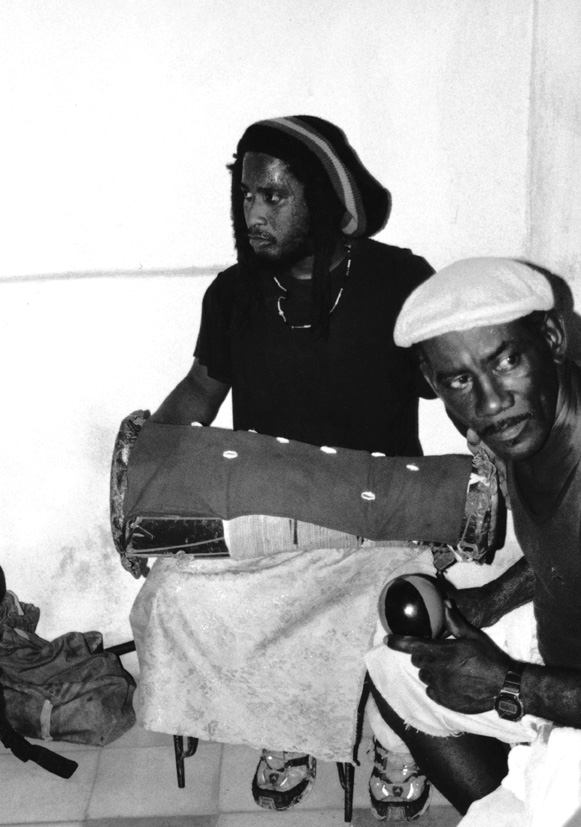
Some conversations leave you with more than an answer. They change the question you thought you were asking. Rastafari reasoning invites that kind of attention. It brings ideas into conversation with spiritual understanding, personal experience and the conditions people face around them.
For someone arriving through reggae lyrics, a documentary or a conversation with a friend, reasoning offers a way to look beyond familiar images of Rastafari. The starting point is people thinking together. What matters is more than who can speak most confidently. Listening, context and the willingness to examine an idea all deserve a place in the circle.
What Rastafari reasoning brings into the conversation
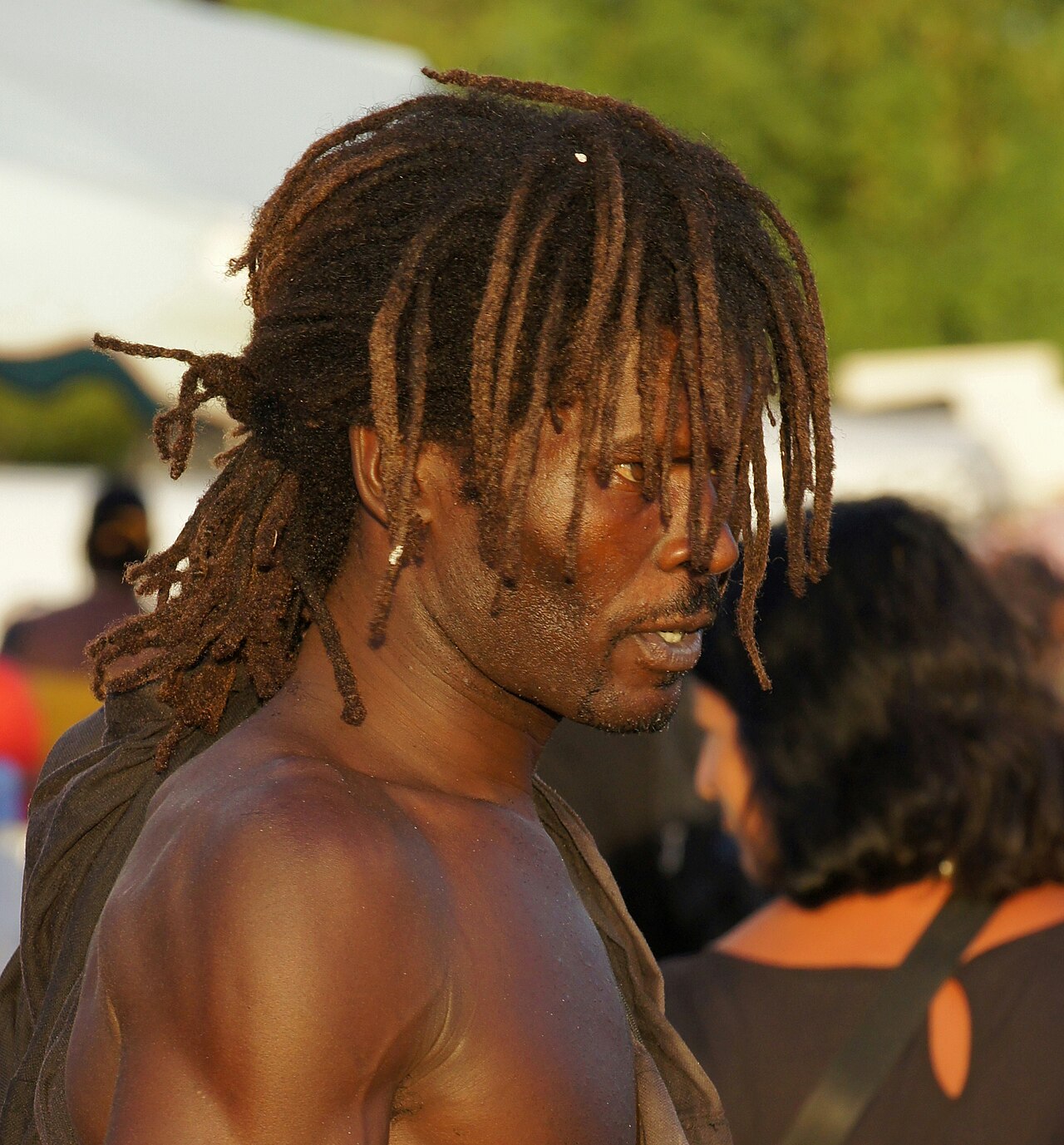
Reasoning is a name used for shared Rastafari discussion. It can move between scripture, history, community concerns and the questions of everyday life. The Smithsonian’s African Diaspora collections describe filmed examples of prayer and communal discourse, documenting reasoning as a practice people take part in rather than simply a term to memorize. That distinction helps a newcomer understand why a short dictionary definition cannot convey the whole experience.
There is no single conversation that stands for every Rastafari person. A discussion in a family home, a community setting or a public educational program will have its own participants and purpose. Treat the setting in front of you as particular. Ask who has gathered, what they have chosen to discuss and whether visitors have been invited to contribute. Those questions are more useful than arriving with a ready-made script for how the exchange should unfold.
The subject also reaches beyond abstract belief. A conversation about dignity may connect with work, education or the way a neighborhood is represented. A reflection on history may bring a family memory into view. For a reader, the helpful habit is to notice these connections without turning one speaker’s account into a rule for everyone. A personal story can open a door to understanding while remaining that person’s own experience.
Listening is part of the work

It is tempting to approach an unfamiliar tradition by collecting short explanations. You hear a word, ask what it means and move on. Reasoning asks for a little more patience. The meaning of a statement can depend on what came before it, who is speaking and the experience they are describing. Give an idea time to develop before deciding that you have understood its whole shape.
A useful listening practice is to separate what you heard from what you assumed. If a speaker discusses Babylon, for example, ask how that term is being used in the conversation rather than supplying your own definition immediately. You can make a note of the question and return to it at an appropriate pause. The aim is to understand a person’s meaning, not to win a quick exchange over terminology.
Community voices are important here. Rastafari Indigenous Village describes opportunities to learn from elders alongside artisans, gardeners and storytellers. Its own account connects conversation with people’s daily surroundings. That offers a practical reminder for readers: knowledge may be carried through work, memory and relationships as well as through a formal presentation. Let the people sharing it explain what they consider important.
How to approach a reasoning with care
Begin by asking whether the gathering is open to visitors. A public talk, a community visit and a private spiritual gathering are different settings. If you are invited, ask the host how questions are welcomed and whether there are parts of the occasion you should simply observe. Courtesy works better when it responds to the actual gathering rather than relying on a list of supposed universal customs.
Leave room for an answer that complicates your first impression. You do not have to pretend to agree with everything you hear. You can ask for clarification without turning someone’s account of their life into a debate they did not volunteer to have. If a discussion becomes personal, consider whether your next question helps understanding or only satisfies curiosity. Respect includes recognizing that some details may remain private.
Photography, recordings and quotations deserve a separate conversation. Permission to attend does not automatically mean permission to publish someone’s words. Ask before recording, explain where a recording would appear and accept a refusal without bargaining. When sharing something later, distinguish a direct quotation from your own summary. That helps preserve the speaker’s meaning and makes your account more trustworthy for the next person who encounters it.
You can begin learning about Rastafari reasoning without claiming that reading about it makes you a participant or an authority. Start with community voices, keep your questions honest and allow understanding to develop over time. Our Patois dictionary can help with unfamiliar expressions, while the quotes and prayers collection offers another place for reflection. The conversation becomes richer when words lead you back to the people and experiences behind them.


